
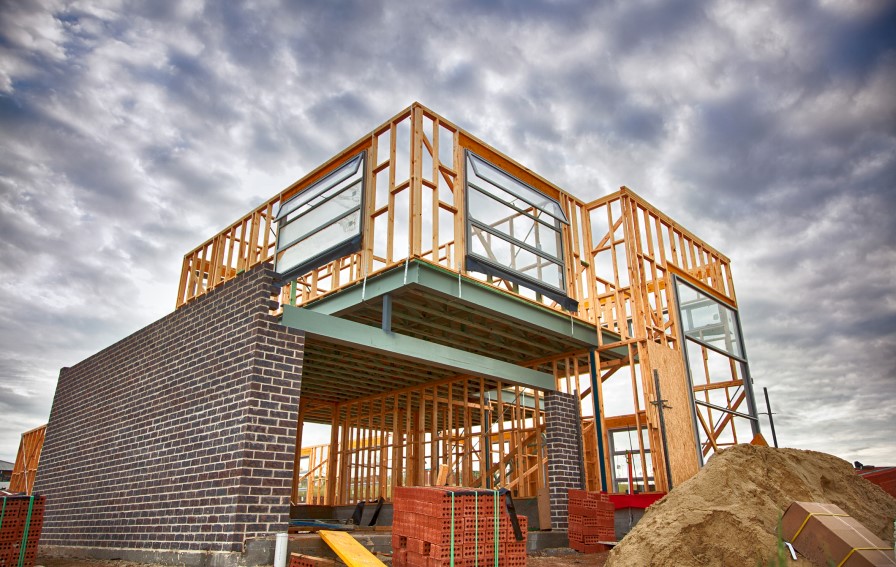
Most of Australia has been experiencing a building boom fuelled by government policy such as the HomeBuilder scheme and a general desire to make our living spaces better as we spend more time working, educating and living at home. However, with global supply chains and transport routes disrupted due to the effects of COVID-19, there has been well publicised material shortages and builder collapses in the sector.
If your project to either build, renovate or repair your main residence has run into a hiccup and now require more time to complete, beware that it could end up costing you more than just money now, but also in the future. This is due to the operation of the CGT building concession.
Firstly some background, for most individual Australian tax residents (not companies or trustees), there is an automatic exemption for the capital gain (or loss) that arises when you sell your main residence, this is called the main residence exemption. Generally, for the exemption to apply it must have been your residence for the entire ownership period, however, exemptions may apply in instances where you’re building, renovating or repairing your residence and have had to move out.
The “building concession” as it is known, allows an individual to treat a dwelling as their main residence from the time that the land was acquired for a maximum period of up to 4 years, subject to certain conditions. For example, the dwelling must become the individual’s main residence as soon as practicable after the construction, repair or renovation is completed, and must remain so for at least 3 months. The individual must also choose to apply the building concession.
The 4 year maximum period applies either from the time the individual acquires the ownership interest in the land, or ceases to occupy a dwelling already on the land. If it takes more than 4 years to construct or repair the residence, you may only be entitled to a partial main residence exemption. This means that if you sell the residence at a future date, the period that you did not live in the residence during construction or renovation will be subject to CGT.
The financial consequences of getting it wrong are very real. If you are unable to complete your construction or renovation project of your main residence within the 4 year maximum timeframe due to either the builder becoming bankrupt, or due to severe illness of a family member, you may be able to apply to the ATO for discretion to extend the 4 year period so you don’t get penalised financially.
Speak to one of our accountants today if you have any questions or need assistance with building delays.